
Repeat revenue contribution
Lifetime value
Lifecycle contribution
Win-back revenue
Channel performance
Where repeat revenue accelerated.
Overview
THE CHALLENGE
Fragrance is a genuinely split retention problem. A large share of the list had never purchased at all, more people were browsing and gifting than reordering, and the customers who did convert split into two very different groups: fast, habitual repeat buyers loyal to one signature scent, and slower, considered or gift-led purchasers. The brand had built a strong acquisition engine and a loyal early customer base, but the lifecycle layer underneath was treating all of them the same way.
The existing program sent to the full list on a near-daily cadence, which was hurting deliverability rather than helping it. Segmentation didn't separate people who'd never bought from one-time buyers from repeat customers, so everyone received the same message regardless of where they sat in the relationship. Post-purchase ended at the thank-you email, with no path back to a second bottle. Lapsed and inactive subscribers had no dedicated win-back at all.
The brief was to lift repeat rate and lifetime value without leaning on discount, and to fix segmentation and deliverability as the foundation for genuine lifecycle creative.

THE APPROACH
How the engagement was structured.
The first move was to map the real customer journey against the data we actually had. The list split into three clearly different groups: people who'd never purchased, one-time buyers who hadn't come back, and a smaller core of repeat customers loyal to a specific scent. We rebuilt the segmentation model around that behaviour rather than recency alone, separating self-purchasers from gift-led browsers and giving the loyal repeat cohort its own track entirely.
Lifecycle then became the centre of gravity. Sends moved off a database-wide blast cadence and onto proper segmentation, cutting volume to inactive and already-converted subscribers and protecting deliverability. Post-purchase was rebuilt from a single thank-you email into a sequence with real content: care guidance, and a natural nudge toward a second bottle rather than nothing at all. Lapsed and inactive cohorts moved into a dedicated win-back program built from scratch, segmented by original scent interest, with creative built around getting a customer back to their signature scent rather than a blanket discount.
Creative ran alongside the lifecycle work, not behind it. Lifecycle creative was treated with the same rigour as paid: hook discipline, format diversification, a steady cadence of new assets so the highest-value cohorts never saw the same message twice. The measurement layer was tightened so we could read genuine repeat behaviour rather than channel-attributed noise, and budget shifted toward the segments growing fastest.
Throughout, the brand sat across retention and creative as one program rather than two reporting lines. Decisions were made against repeat rate, second-purchase windows and contribution per cohort, not opens or sends.
AERRE · IN THE ROOM
Inside the engagement.
The working moments behind the numbers.
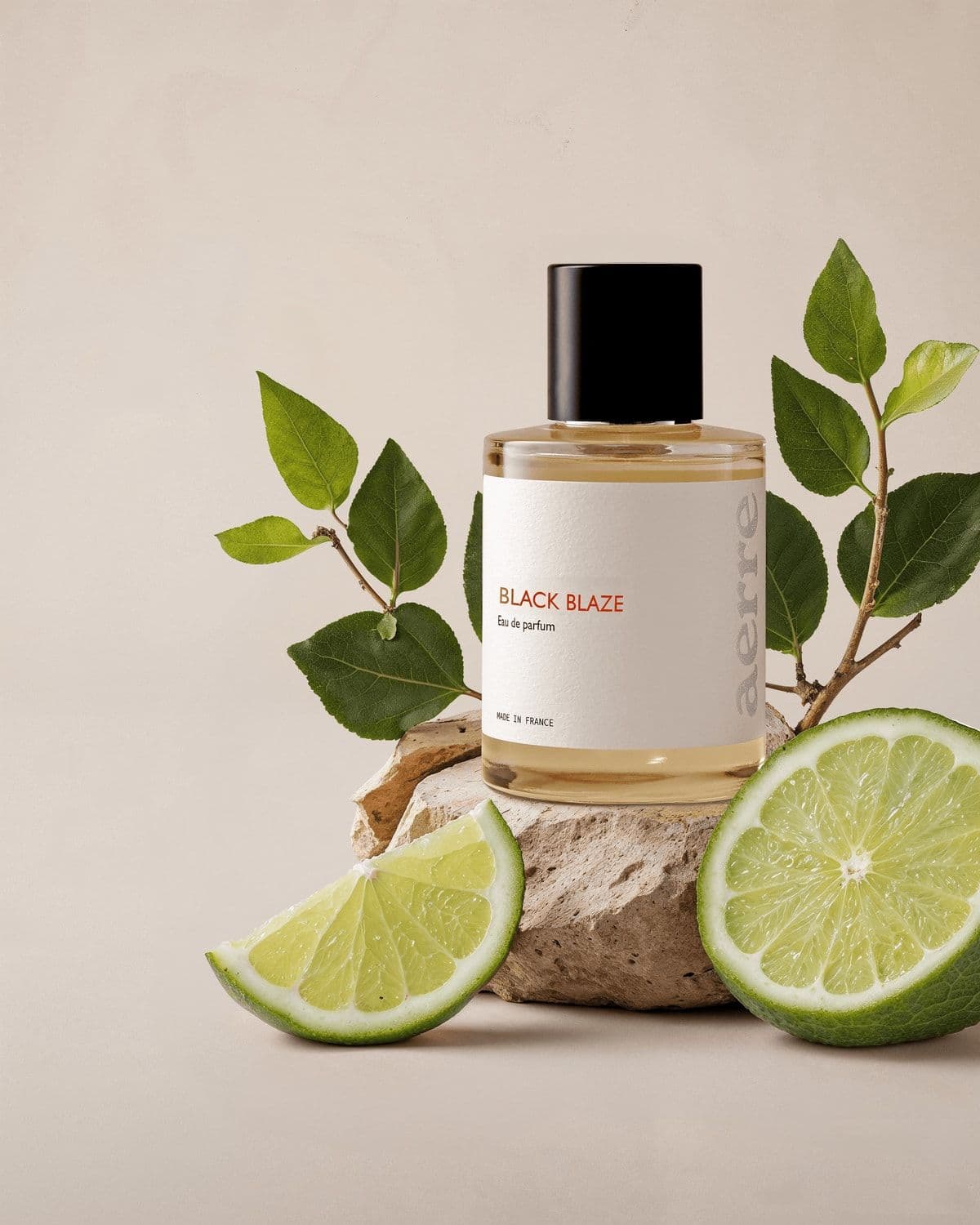
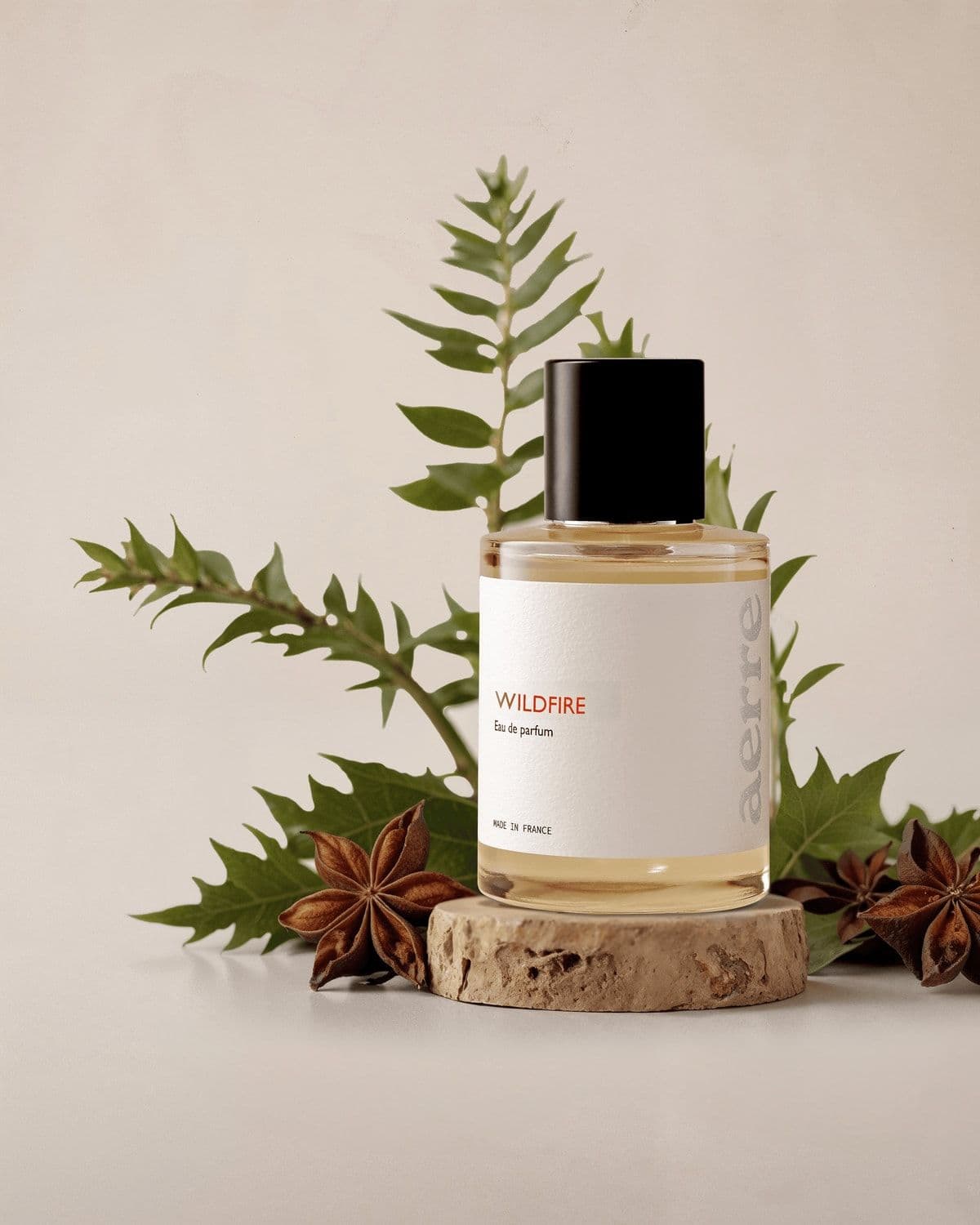
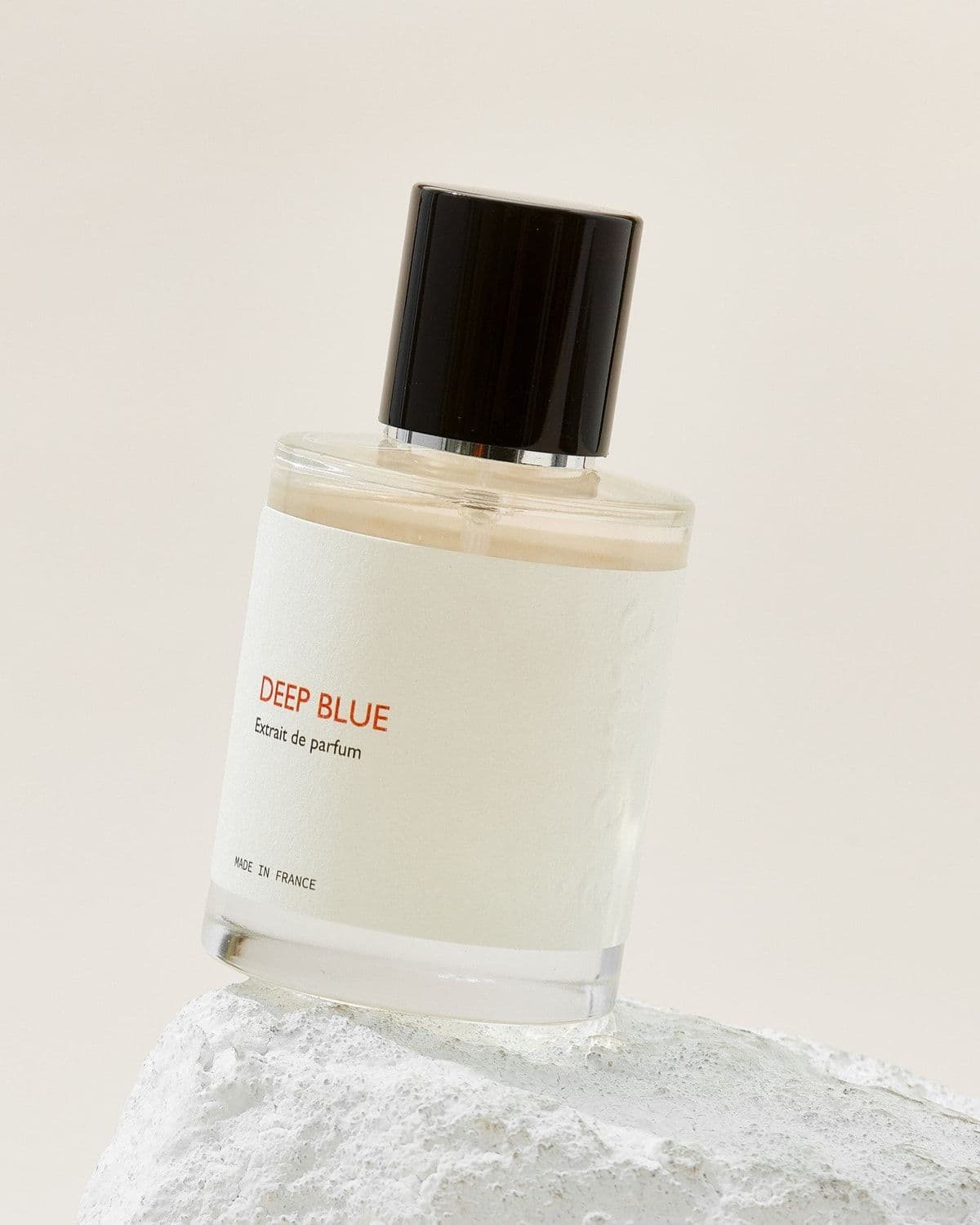
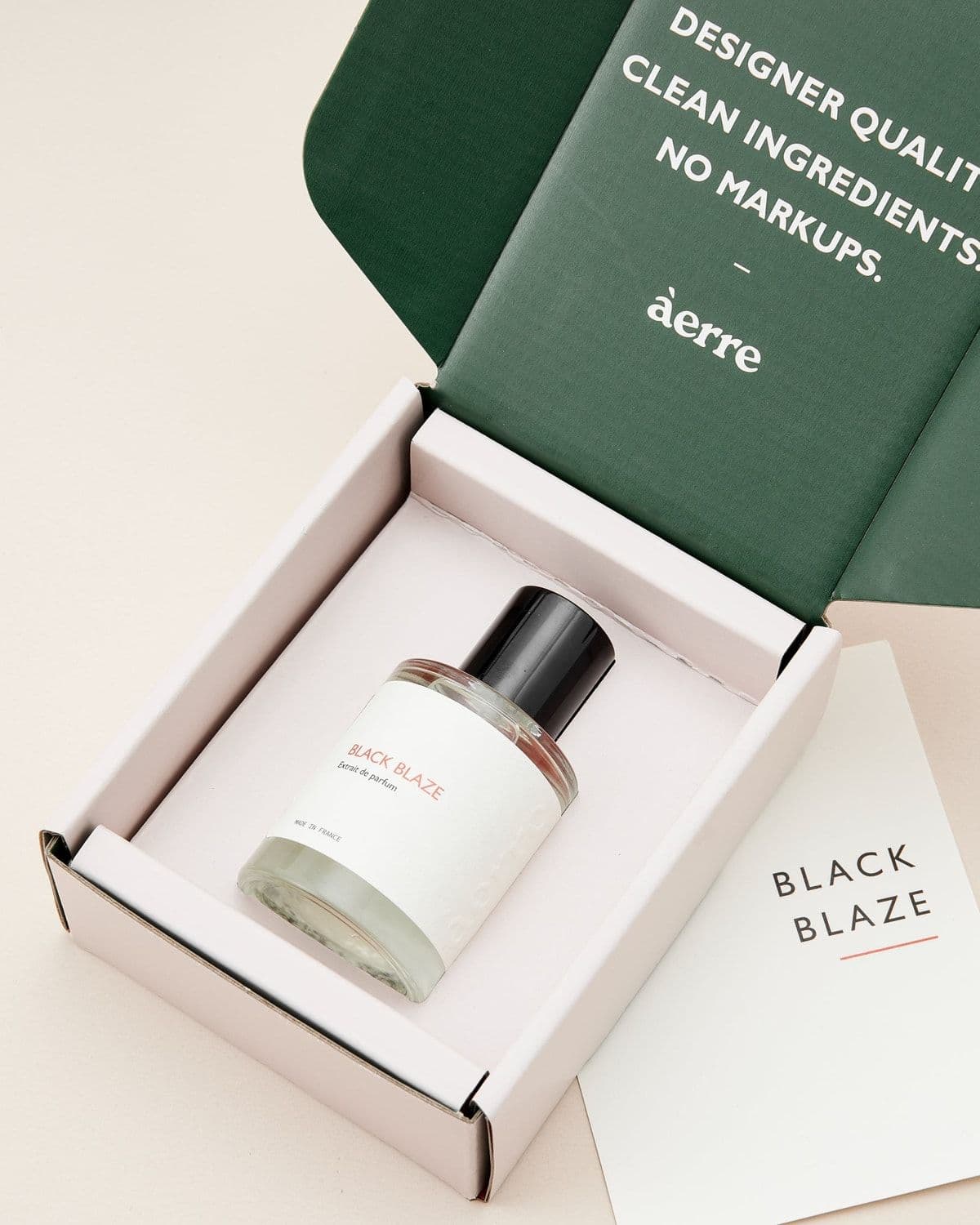
← Drag or scroll horizontally

THE OUTCOME
Repeat revenue contribution stepped up materially against the prior baseline and continued to compound quarter-on-quarter as the segment depth matured. The second-purchase window compressed, lapsed cohorts re-engaged at rates that outperformed the prior peak, and lifetime value moved without the program needing to lean on discount to earn it.
Lifecycle now operates as its own contribution line rather than a deliverability function. Creative cadence into the highest-value segments runs at a multiple of where it started, and the win-back layer earns revenue from cohorts the brand had effectively written off. The engagement continues, with retention and creative held as a single program against repeat rate and contribution per cohort.
MORE CLIENT STORIES
Keep reading the work.

Four Pillars
Rebuilding the ecommerce foundation for one of Australia's most awarded gin distilleries
Four Pillars brought Elephant Room in to modernise its ecommerce platform and explore a retention strategy that could match its category-leading brand. The engagement covered a Shopify Plus migration scoping process, ongoing site content work, and a proposed lifecycle program.
View case study
Macros & Soulara
Turning a subscription-only meal brand into a shopping powerhouse
Macros and Soulara, v2food's macro-counted and plant-based meal delivery brands, needed a way to scale beyond brand search. We built a one-time-purchase gateway strategy to unlock Google Shopping and Performance Max, and ran a combined Meta, Google and CRM program across both brands.
View case study
Arc'teryx
fashion
A pitch-won takeover, trading ahead of target inside a quarter
We won Arc'teryx AU and NZ in a competitive pitch, took over the accounts mid-season, and had the program trading ahead of revenue target inside the first quarter.
View case study