
Customer lifetime value
True-contribution CAC
Subscription lifecycle
Repeat purchase rate
Channel performance
Where the spend actually moved.
Overview
THE CHALLENGE
Nutraceuticals is a trust-led, education-heavy category sold to a sceptical buyer. The first order is rarely profitable on its own: the real economics sit in the repeat purchase, the subscription, and the basket that builds across a customer's regimen. That means a program judged on last-click acquisition cost would optimise the brand straight into the ground.
The acquisition side was being run on platform-reported attribution that flattered paid social and underweighted the channels actually doing the work. Lifecycle was running on broad sends rather than segment-led automation, leaving subscription churn and second-purchase windows under-served. The two halves of the business, getting customers in and keeping them, were being measured against different yardsticks, and neither yardstick was incrementality.
The brief was to bring the same rigour to both sides of the business. Acquisition needed to be planned against true incremental contribution, not platform self-reporting. Retention needed to be rebuilt around the moments that actually move LTV: the first reorder, the subscription save, the cross-sell into a second product. And the two had to be measured on the same ledger.

Elephant Room has been an outstanding digital marketing partner for ATP Science over the past 12 months. Together, we've built a strong strategic partnership that has not only delivered exceptional commercial outcomes, including a 70% uplift during our EOFY campaign, but has also significantly improved media efficiency compared to the previous year. Beyond Australia, Elephant Room has given us the confidence to centralise our digital strategy and begin testing and scaling activity in New Zealand. The success of these early trials has reinforced our confidence in the partnership, and we're excited to continue expanding our presence across additional markets together.
Natasha Guiulfo, Head of Marketing & Innovation, ATP Science
THE APPROACH
How the engagement was structured.
We started with the measurement layer. Platform-reported numbers were treated as one input among several, not the source of truth. Incrementality testing, geo-led where possible, holdout-led where not, was used to recalibrate what each channel was actually contributing. That recalibration changed where the next dollar went: less weight on channels that were harvesting demand the brand would have captured anyway, more weight on the surfaces that were genuinely creating new buyers.
On acquisition, paid social and paid search were rebuilt around creative velocity and education-led messaging. Nutraceuticals rewards the brand that teaches rather than sells, so the creative system was geared toward proof, ingredient stories, and use-case framing: formats that earned attention before asking for the click. Short-form video was used to widen the top of the funnel; paid search was tightened around high-intent regimen queries.
Retention was rebuilt as its own profit centre. Lifecycle automation was segmented by product category, regimen depth, and subscription status, with separate journeys for first-time buyers, lapsed customers, and active subscribers approaching their churn-risk window. The second-purchase window, the single highest-leverage moment in nutraceuticals LTV, was tracked end to end, with content sequenced to land before the first bottle ran out.
Across both halves of the program, acquisition and retention were planned together. Media budgets were sized against blended LTV-to-CAC, not channel-level ROAS. Lifecycle was held accountable for incremental repeat rate, not open rate. The two teams worked to the same rhythm.
ATP SCIENCE · IN THE ROOM
Inside the engagement.
The working moments behind the numbers.



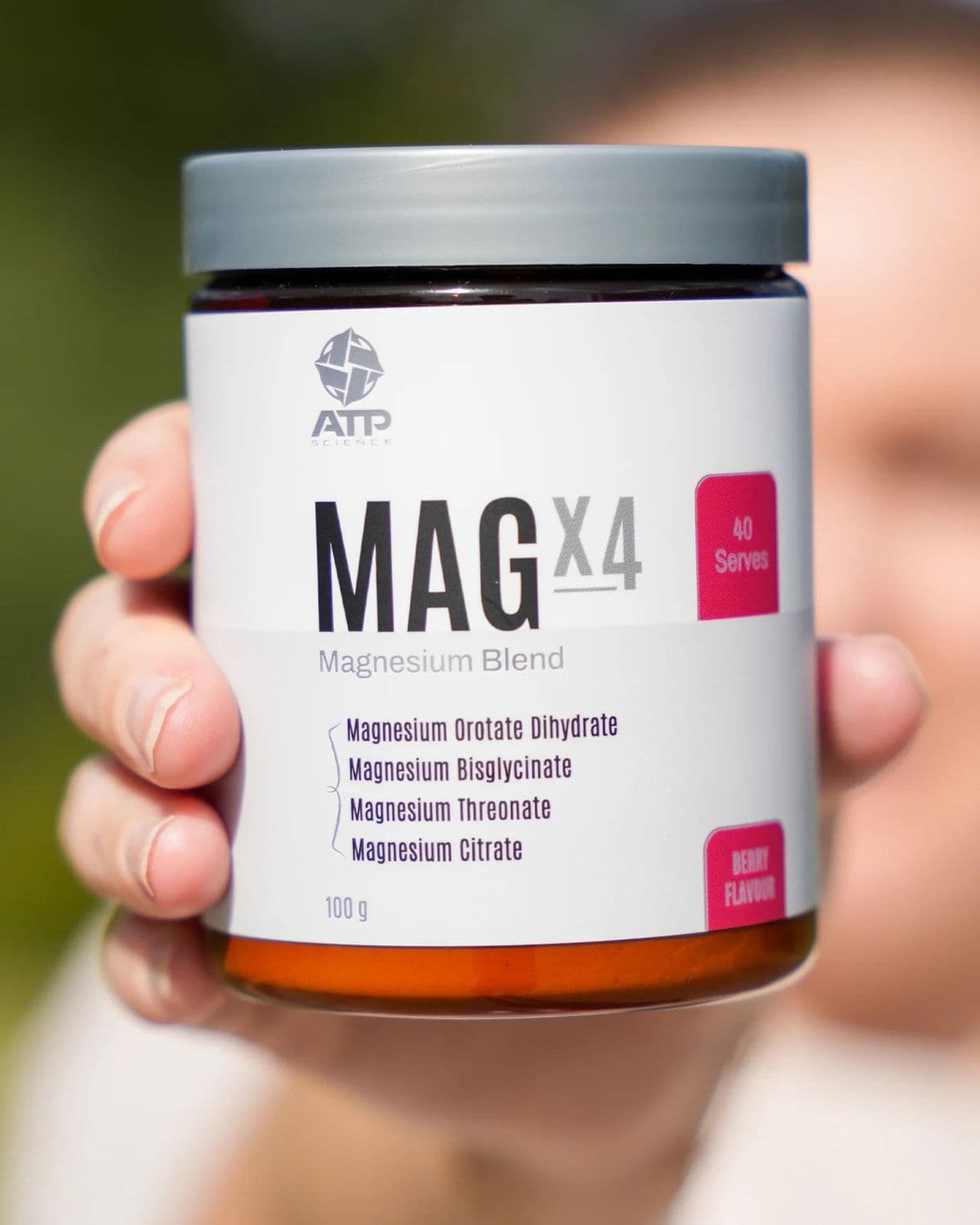
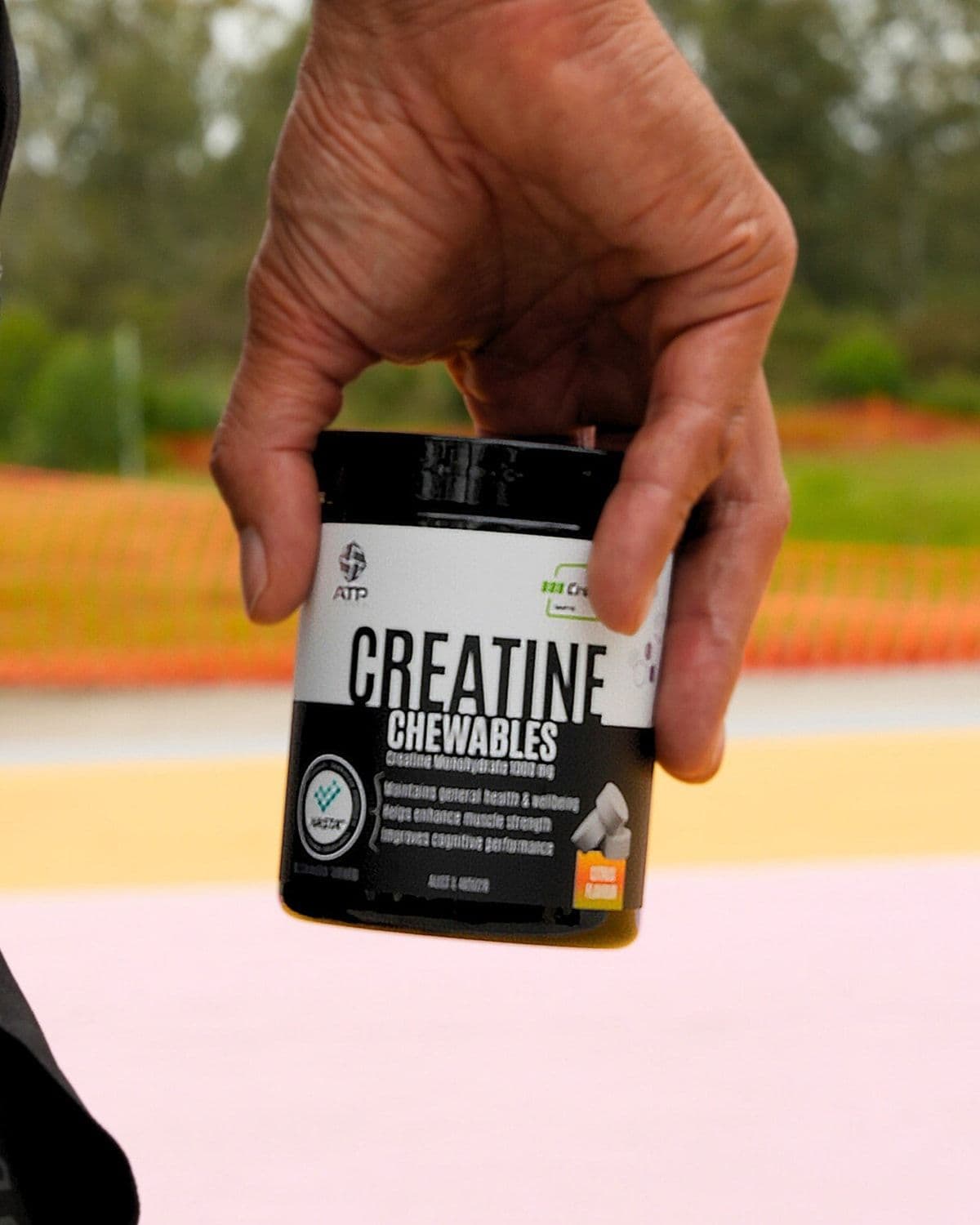

← Drag or scroll horizontally

THE OUTCOME
The incrementality-led replan surfaced spend efficiency that platform-reported numbers had been masking. Channels were reweighted toward the surfaces actually creating new customers, and the acquisition cost on a true-contribution basis came down meaningfully while volume scaled.
Retention compounded the gain. Subscription save rates lifted as the lifecycle stack started reaching the right segments at the right moment in their regimen. Second-purchase rate moved up, average order value followed as cross-sell into adjacent products took hold, and lifetime value extended across the customer base. The brand stopped being a one-bottle business and started behaving like the subscription company its economics always demanded.
The partnership has settled into the rhythm of a category that rewards patience: quarter-on-quarter gains that build on themselves rather than one-off spikes, with acquisition and retention measured against the same ledger and planned as one program.
MORE CLIENT STORIES
Keep reading the work.

Four Pillars
Rebuilding the ecommerce foundation for one of Australia's most awarded gin distilleries
Four Pillars brought Elephant Room in to modernise its ecommerce platform and explore a retention strategy that could match its category-leading brand. The engagement covered a Shopify Plus migration scoping process, ongoing site content work, and a proposed lifecycle program.
View case study
Macros & Soulara
Turning a subscription-only meal brand into a shopping powerhouse
Macros and Soulara, v2food's macro-counted and plant-based meal delivery brands, needed a way to scale beyond brand search. We built a one-time-purchase gateway strategy to unlock Google Shopping and Performance Max, and ran a combined Meta, Google and CRM program across both brands.
View case study
Arc'teryx
fashion
A pitch-won takeover, trading ahead of target inside a quarter
We won Arc'teryx AU and NZ in a competitive pitch, took over the accounts mid-season, and had the program trading ahead of revenue target inside the first quarter.
View case study