
Acquisition cost
Variant production
Prospecting spend
Paid-media efficiency
Overview
THE CHALLENGE
Skincare is one of the most contested corners of paid media. Cost-per-thousand keeps drifting up, the auction is crowded with well-funded challengers, and the creative shelf-life inside any single ad account is short. The brand was carrying strong organic affinity and a returning customer base, but new-customer acquisition was being asked to do more work each quarter without a proportional lift in budget.
Sitting inside a parent group meant the planning rhythm had to do two jobs at once: defend the brand's own efficiency floor while contributing to a portfolio view across sister labels. The financial-year cadence put real pressure on quarterly delivery, with the back half carrying the bulk of category demand and very little room to recover from a soft start.
Creative was the bottleneck holding the channel back. Concepts that had carried the prospecting funnel for multiple cycles were fatiguing inside the auction, and the production pace wasn't matching the rate at which the platforms were burning through assets.

THE APPROACH
How the engagement was structured.
We treated acquisition and creative as one connected effort rather than two adjacent disciplines. Paid social and paid search were rebuilt around a clear prospecting efficiency target, with a media plan that mapped spend against the financial-year cadence rather than spreading it evenly. Heavier weight went into the windows where category demand was already moving, lighter holding patterns covered the troughs, and budget was kept flexible enough to respond inside a fortnight rather than a quarter.
Creative moved to a velocity model. Concepts were briefed against specific funnel jobs: cold prospecting, mid-funnel education, and warm conversion. The creative team ramped enough net-new variants each cycle that the auction never saw the same hero twice in a row. Hook rate and hold rate became the signals we trusted ahead of platform-reported conversions, with the conversion read coming back through the commerce platform's own reporting.
Planning ran with the parent group view in mind without diluting this brand's specific case. The cadence between the agency side and the client side was tightened so decisions on weight, format mix, and creative direction could be made inside the trading week, not after it. That removed the lag that usually sits between a softening signal and the response on the buy side, and gave the brand a faster recovery path when a concept fatigued.
ESMI SKIN MINERALS · IN THE ROOM
Inside the engagement.
The working moments behind the numbers.




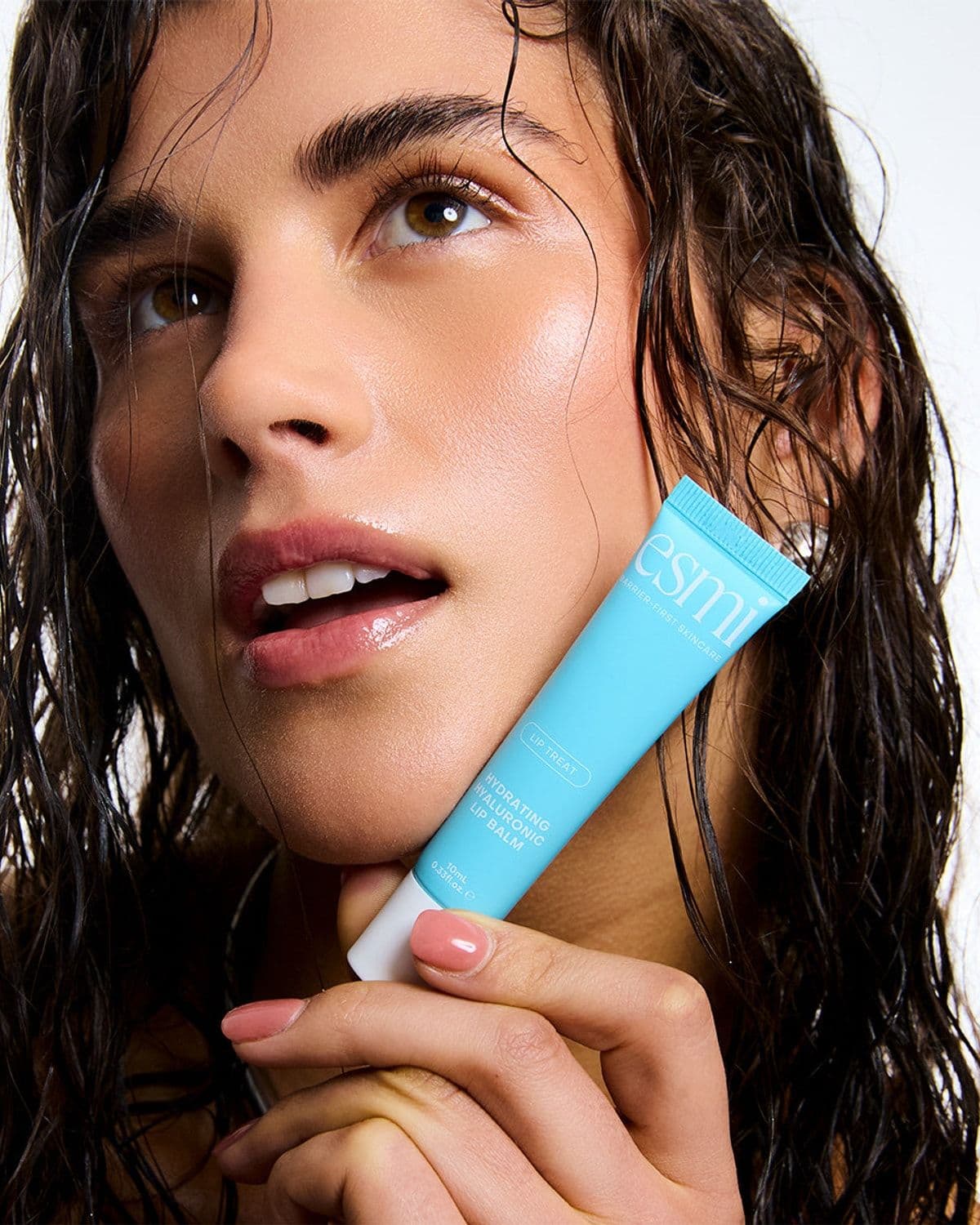

← Drag or scroll horizontally
THE OUTCOME
Prospecting efficiency held under pressure during the peak trading window, with new-customer acquisition cost staying inside target while spend built into the heavier weeks. Creative output kept pace with the paid-media plan, which meant the channel didn't stall on asset fatigue at the moments it mattered most.
The financial-year cadence became the planning unit the work was measured against, rather than calendar quarters that didn't match how the category actually trades. That alignment translated into a more predictable quarter-on-quarter read for both the brand and the parent group, and a clearer line between creative output and channel performance.
MORE CLIENT STORIES
Keep reading the work.

Four Pillars
Rebuilding the ecommerce foundation for one of Australia's most awarded gin distilleries
Four Pillars brought Elephant Room in to modernise its ecommerce platform and explore a retention strategy that could match its category-leading brand. The engagement covered a Shopify Plus migration scoping process, ongoing site content work, and a proposed lifecycle program.
View case study
Macros & Soulara
Turning a subscription-only meal brand into a shopping powerhouse
Macros and Soulara, v2food's macro-counted and plant-based meal delivery brands, needed a way to scale beyond brand search. We built a one-time-purchase gateway strategy to unlock Google Shopping and Performance Max, and ran a combined Meta, Google and CRM program across both brands.
View case study
Arc'teryx
fashion
A pitch-won takeover, trading ahead of target inside a quarter
We won Arc'teryx AU and NZ in a competitive pitch, took over the accounts mid-season, and had the program trading ahead of revenue target inside the first quarter.
View case study