
Customer lifetime value
Returning customer share
Replenishment cadence
Lifecycle incrementality
Channel performance
Where the spend actually moved.
Overview
THE CHALLENGE
Imaging is a category where the first purchase is the cheapest signal a customer ever sends. Buyers research for months, land on a body or a hybrid camera, and then disappear into a long tail of accessory, consumable and software spend that the brand was barely participating in. The acquisition story was healthy. The retention story was running on goodwill.
The measurement layer made the problem worse. Customer value was being judged on the transaction, not the cohort. Repeat behaviour wasn't segmented by product family, skill level, or use case, which meant the lifecycle program was talking to a beginner with their first mirrorless body the same way it spoke to a working professional restocking instant film. The signal existed in the data. It just wasn't being read.
The brief was sharp: rebuild retention as an asset the business could actually measure and trust. Move the conversation from open rates and broadcast sends to cohort value, replenishment cadence, and the true incremental contribution of the lifecycle layer.

THE APPROACH
How the engagement was structured.
We started with the measurement layer because everything else depended on it. Customer cohorts were rebuilt around product family, purchase recency and use case, so the lifecycle program could finally see who it was talking to. Repeat-purchase windows, consumable replenishment cycles and accessory affinity were modelled per segment rather than averaged across the base. The result was a retention view of the customer, not just a transaction log.
Post-purchase content sequences were rebuilt as the spine of the program. New buyers moved through a structured education arc tied to the gear they actually owned, covering settings, technique, sample work and common mistakes, before any commercial ask. The brand earned the right to sell the next accessory by being useful first. Consumable replenishment ran on its own track, timed to realistic usage rather than arbitrary calendar windows, with cross-sell into adjacent formats once the primary habit was established.
Lifecycle was then split into clear jobs: onboarding, education, replenishment, accessory cross-sell, lapsed re-engagement and high-value advocacy. Each track had its own success metric and its own incrementality read, so the team could see which sequences were genuinely lifting customer value and which were riding on demand that would have arrived anyway. Creative was matched to the moment: heavier education content for early-life cohorts, sharper commercial framing for replenishment, and community and craft-led work for the long-tenured base.
FUJIFILM · IN THE ROOM
Inside the engagement.
The working moments behind the numbers.


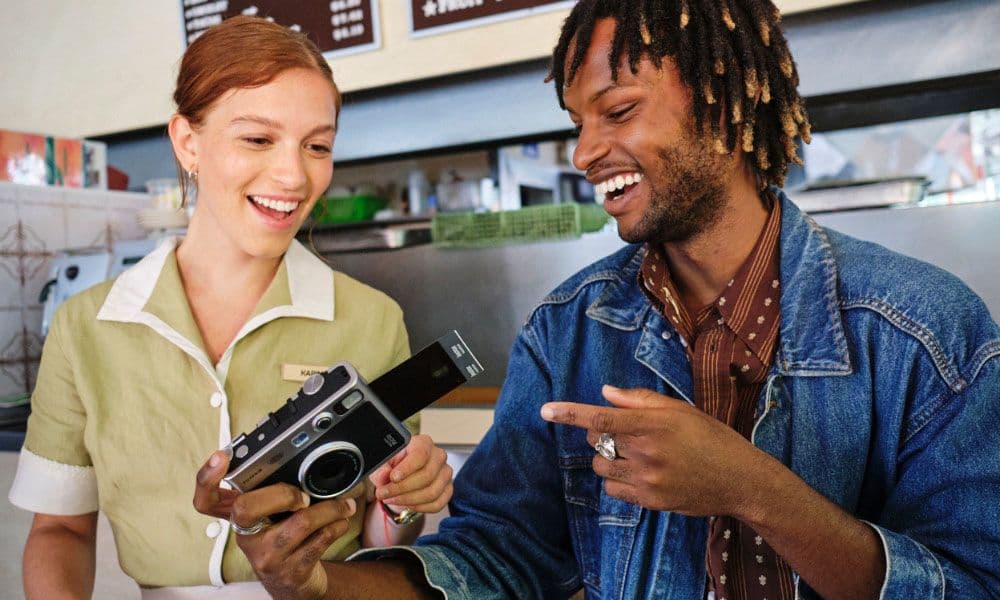


← Drag or scroll horizontally

THE OUTCOME
Customer lifetime value lifted meaningfully across the cohorts the program touched, with the strongest gains in the replenishment and accessory tracks where the post-purchase system did the heaviest work. Repeat-purchase windows tightened, and the share of revenue coming from existing customers grew quarter on quarter without leaning on discount.
The measurement rebuild changed how retention was discussed internally. Lifecycle stopped being judged on broadcast vanity and started being read as a contribution to cohort value, with incrementality as the honest test. The team now has a retention engine that compounds rather than a newsletter that ships.
MORE CLIENT STORIES
Keep reading the work.

Four Pillars
Rebuilding the ecommerce foundation for one of Australia's most awarded gin distilleries
Four Pillars brought Elephant Room in to modernise its ecommerce platform and explore a retention strategy that could match its category-leading brand. The engagement covered a Shopify Plus migration scoping process, ongoing site content work, and a proposed lifecycle program.
View case study
Macros & Soulara
Turning a subscription-only meal brand into a shopping powerhouse
Macros and Soulara, v2food's macro-counted and plant-based meal delivery brands, needed a way to scale beyond brand search. We built a one-time-purchase gateway strategy to unlock Google Shopping and Performance Max, and ran a combined Meta, Google and CRM program across both brands.
View case study
Arc'teryx
fashion
A pitch-won takeover, trading ahead of target inside a quarter
We won Arc'teryx AU and NZ in a competitive pitch, took over the accounts mid-season, and had the program trading ahead of revenue target inside the first quarter.
View case study